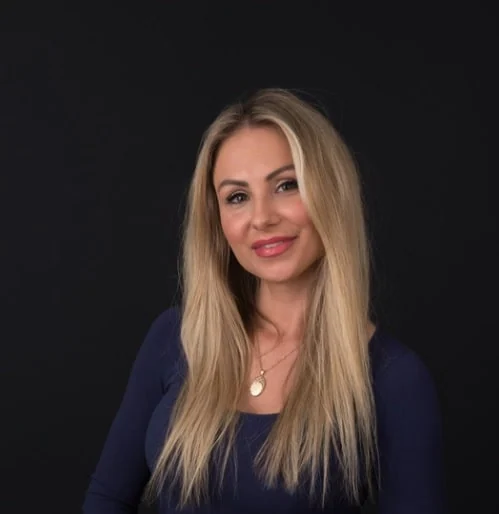
A professional portrait has a small but important job: introduce you before the first conversation. The most useful image feels considered, approachable and recognisably yours. Getting there starts with a few decisions before the camera comes out.
Start with where the photograph will live.
A LinkedIn profile, a team page and an editorial feature ask different things of a portrait. A small circular crop needs a clear expression and a simple composition. A wider website banner may need space beside you for a headline. Share those uses at the briefing stage so the session can cover them deliberately.
For a team, think about the whole collection. Similar framing, backgrounds and lighting help the portraits sit together, while individual expressions give each person room to feel like themselves.
Choose clothes that support the person.
Bring a couple of options that fit comfortably and feel appropriate to the work you do. Plain colours and quieter textures can keep attention on your face. If a uniform, a signature colour or an accessory is part of your professional identity, include it in the conversation rather than following a blanket rule.
Try the outfit before the shoot, including how it sits when you are seated. Small practical details are much easier to adjust before a session than during it.
Leave space for the in-between moments.
A portrait session is a collaboration, not a test of whether you know how to pose. Small changes in posture, direction and eye line can create a range of expressions. Time to settle in matters as much as the first frame.
When choosing the final photographs, look beyond the most formal expression. Pick the image that fits the role and the audience, then keep an alternative for a different context. A useful portrait collection gives you options, not just one file.
An illustrative article prepared for the Creative Solutions website preview. Images are from the supplied portfolio.